
Comms, digital outreach & campaign design
The Future of Planning: Insights from UBC’s Planning School
Excerpt from Planning West - Michael Hooper RPP, MCIP - Summer 2024
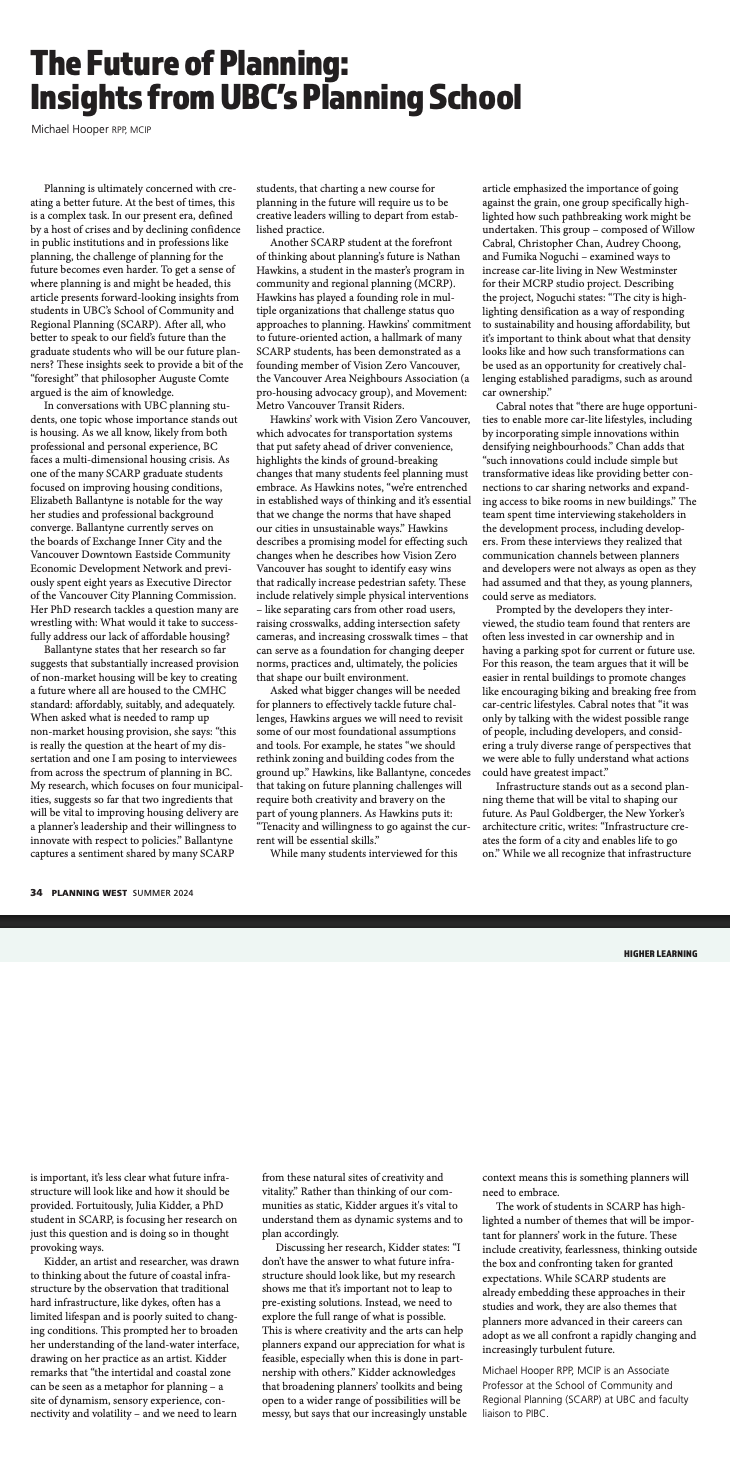
To read the full article from Planning West, click here.
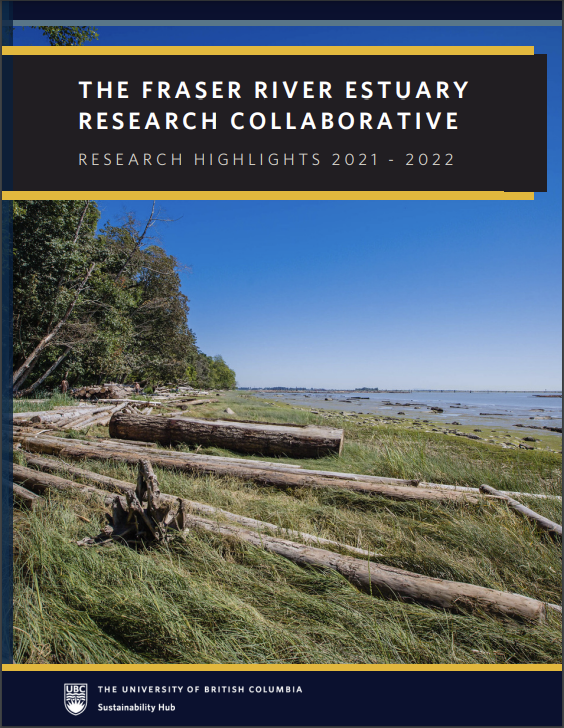
Research Coordinator | Fraser River Estuary Research Collaborative (FERC) - UBC Sustainability (Summer 2022)
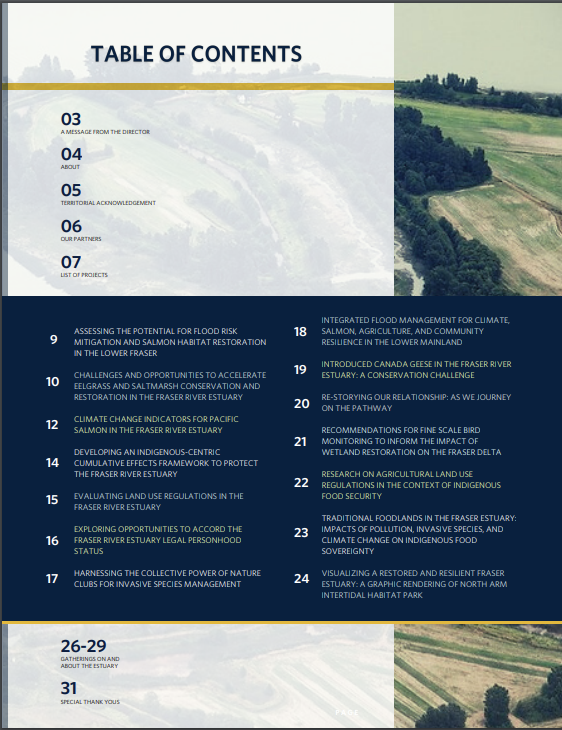
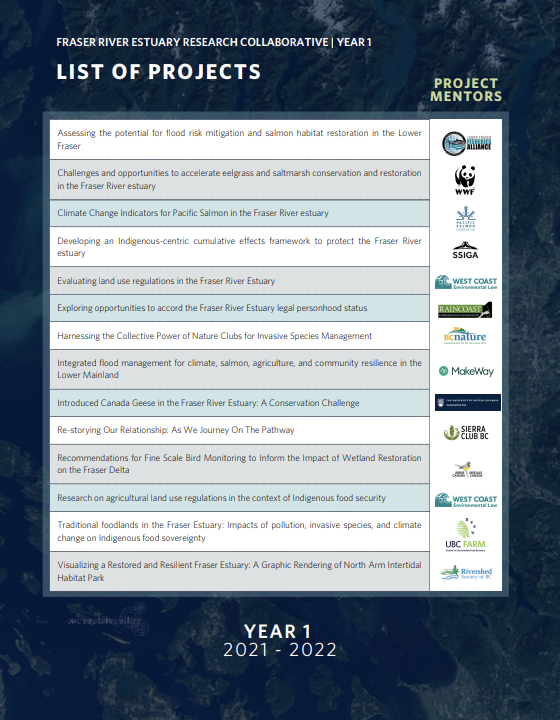
Reporting to the Director of UBC Sustainability (Center for Interactive Research on Sustainability), I conduct research, assist scholars and source academic and professional literature on the Fraser Estuary related to specific issues identified by FERC Scholars’ projects & relevant to UBC’s strategic plans. I designed the Year-1 impact report, which you can download and read here to learn more about the fourteen Sustainability Scholars projects and their important contribution towards revitalizing the health, abundance, diversity and resilience of the Fraser River Estuary.
Climate Communications Specialist | SUE BIG OIL Campaign (convened by West Coast Environmental Law) (2021-2022)

On June 15th 2022 West Coast Environmental Law launched its Sue Big Oil campaign, inviting British Columbia municipalities to join a class action lawsuit to hold the world’s biggest fossil companies responsible for a fair share of the climate damages local communities are experiencing. The launch webinar event took place on June 15th where over 100 attendees heard from local and international legal experts, climate-impacted people and strategists on how this historical class-action lawsuit can take shape for BC communities.

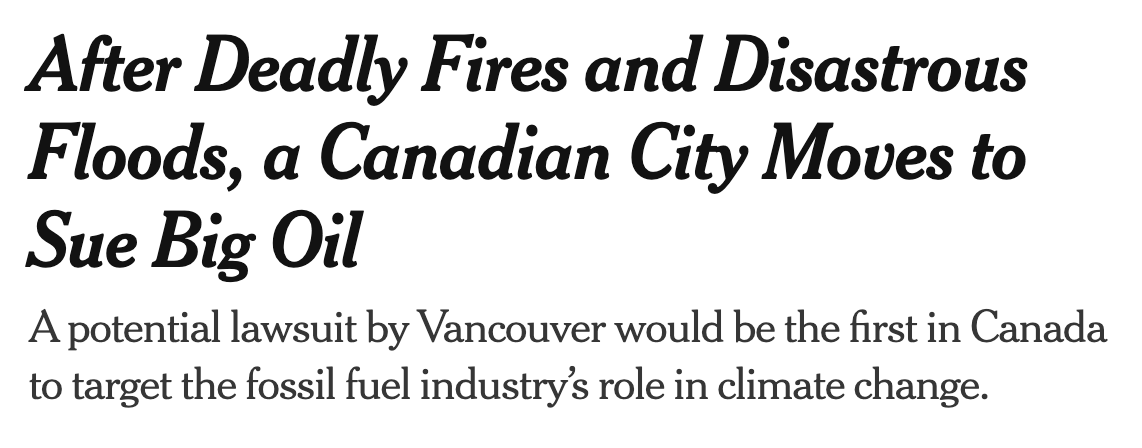

‘The council’s move to lay the groundwork for a lawsuit came shortly after local environmental groups launched a “Sue Big Oil” campaign, urging local governments to file a class-action lawsuit against global oil companies.
“We cannot make the types of dramatic shifts that society needs to deal with climate change while the global fossil fuel industry makes hundreds of billions, trillions of dollars, of profit from selling the same products that are causing the problem,” said Andrew Gage, a staff lawyer at West Coast Environmental Law, a leader of the campaign.’
Learn more at: www.SueBigOil.ca
'Every single change we make matters': UBC faculty, students part of campaign to sue Big Oil
“We’re knocking on the door of Big Oil to say it’s time to pay your share.” Kylla Castillo / The Ubyssey
Bernice Wong - July 6th 2022
Some UBC faculty and students are suing Big Oil.
On June 15, over 150 people gathered on Zoom for the launch of the Sue Big Oil campaign, a movement led by West Coast Environmental Law (WCEL). The campaign's goal is to sue global oil and gas corporations for climate damages experienced by BC taxpayers.
Dr. Avi Lewis, a UBC geography professor, is one the lead campaign endorser.
“The reality is that there are enough new fossil fuel projects in development and operation to shove us into an apocalyptic future of three degrees celsius of warming or more,” said Lewis in an interview with The Ubyssey.
Despite Canada’s support of the Paris Agreement, the country is continuing to approve and support wide-scale fossil fuel projects, he said, citing the Trans Mountain Pipeline as an example of the Canadian government “smothering the planet” while making “obscene profits.”
Last year, the National Observer said Canada was among the “world’s worst carbon emitters,” with the country’s carbon footprint tied closely to the extraction of fossil fuels for export.
Julia Kidder, a PhD student and the climate communications specialist at WCEL, explained the reasoning behind the launch of this lawsuit.
“It is the oil and gas industry that actually removes oil, gas and coal from the ground, refines it, markets it, etc,” she wrote in an emailed statement to The Ubyssey.
Kidder explained that if WCEL is successful in suing Big Oil, the implications of the judicial decision would filter through the entire fossil fuel economy. Thus, the lawsuit would affect other climate crisis-contributing industries such as plastics, cement and agriculture.
When a class action lawsuit is filed against a corporation, it serves as an “immediate risk” that must be disclosed to the corporation’s shareholders and investors. Kidder said the litigation forces oil companies to include the “costs of their toxic products” on their balance sheets.
“Ultimately, this is about changing the fossil fuel industry’s culture of impunity,” Kidder said.
Currently, the campaign is in stage one, focused on collecting signatures and mobilizing support as municipal elections approach. With the help of local governments, a class action lawsuit can be launched against Big Oil. Though the idea of a lawsuit targeting transnational corporations might sound ambitious, Lewis explained lawsuits like this have been brought up and won.
The campaign website mentions a case in the Netherlands where the environmental organization MillieuDefensie won its lawsuit against Shell — though the company is currently appealing. The Dutch court ordered Shell to “accelerate its efforts to reduce carbon dioxide emissions” in battling the climate crisis.
“Every single change we make matters and creates a safer future for everyone on Earth,” said Lewis. He emphasized that the climate crisis is an “incremental phenomenon,” in that there is still time to make a “huge difference” in what kind of future people want to live in.
His motivations to sue Big Oil lie in his belief that “we need to be fighting [the climate crisis] through every institution in society.”
“We’re knocking on the door of Big Oil to say it’s time to pay your share.”
First online July 6, 2022, 10:45 a.m.

Designer (Globe and Mail) Oil Tanker Moratorium Act Poster | West Coast Environmental Law) (2019)
Before the passage of Bill C-48, under West Coast Environmental Law, I designed an ad campaign that was featured in the Globe & Mail, on Ottawa bus shelters and online to put pressure on Canadian senators and elected official to pass the Oil Tanker Moratorium Act before the end of the 2019 legislative session.
The passage of the Oil Tanker Moratorium Act comes almost half a century after the BC Legislature and the House of Commons each unanimously resolved, in 1971 and 1972 respectively, to oppose oil tanker traffic on the Pacific north coast.
I am honoured to have been a part of this campaign in it’s final stages after the tireless work of so many people for over four decades.
“It’s an understatement to say that Bill C-48 has had a long journey to become law,” said Gavin Smith (WCEL Staff Lawyer). “The Oil Tanker Moratorium Act represents an important milestone for protecting the Pacific north coast and all those who rely on it.”
Photo by: Christina Mittermeier
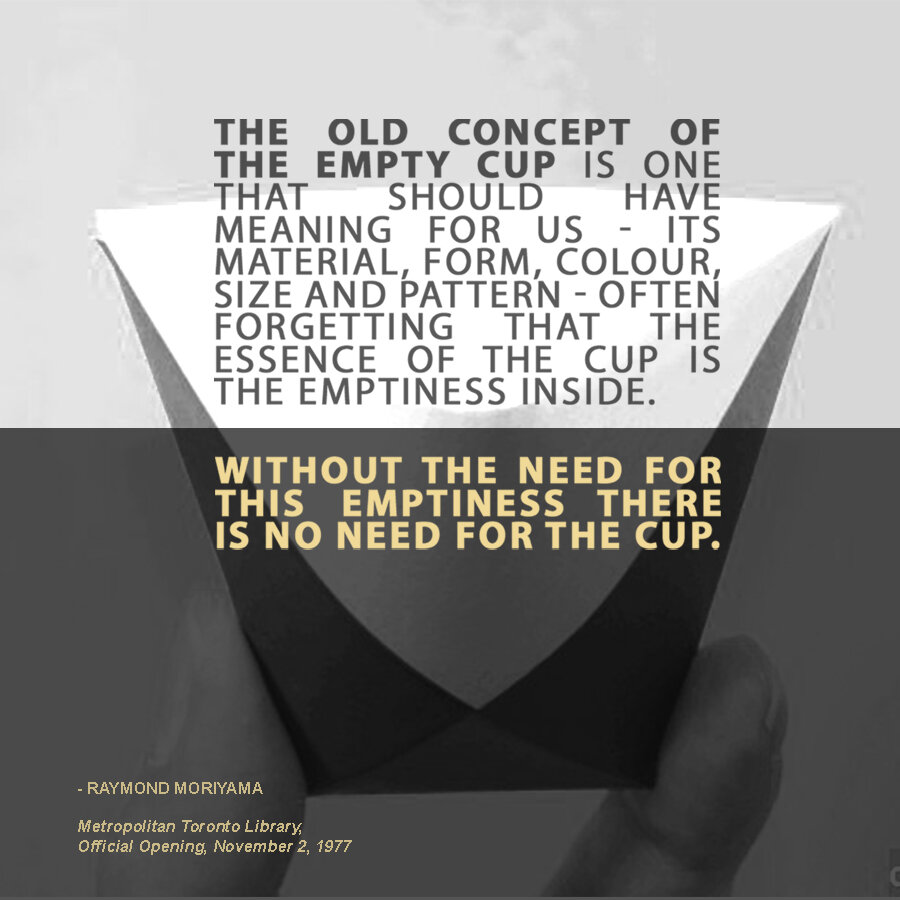
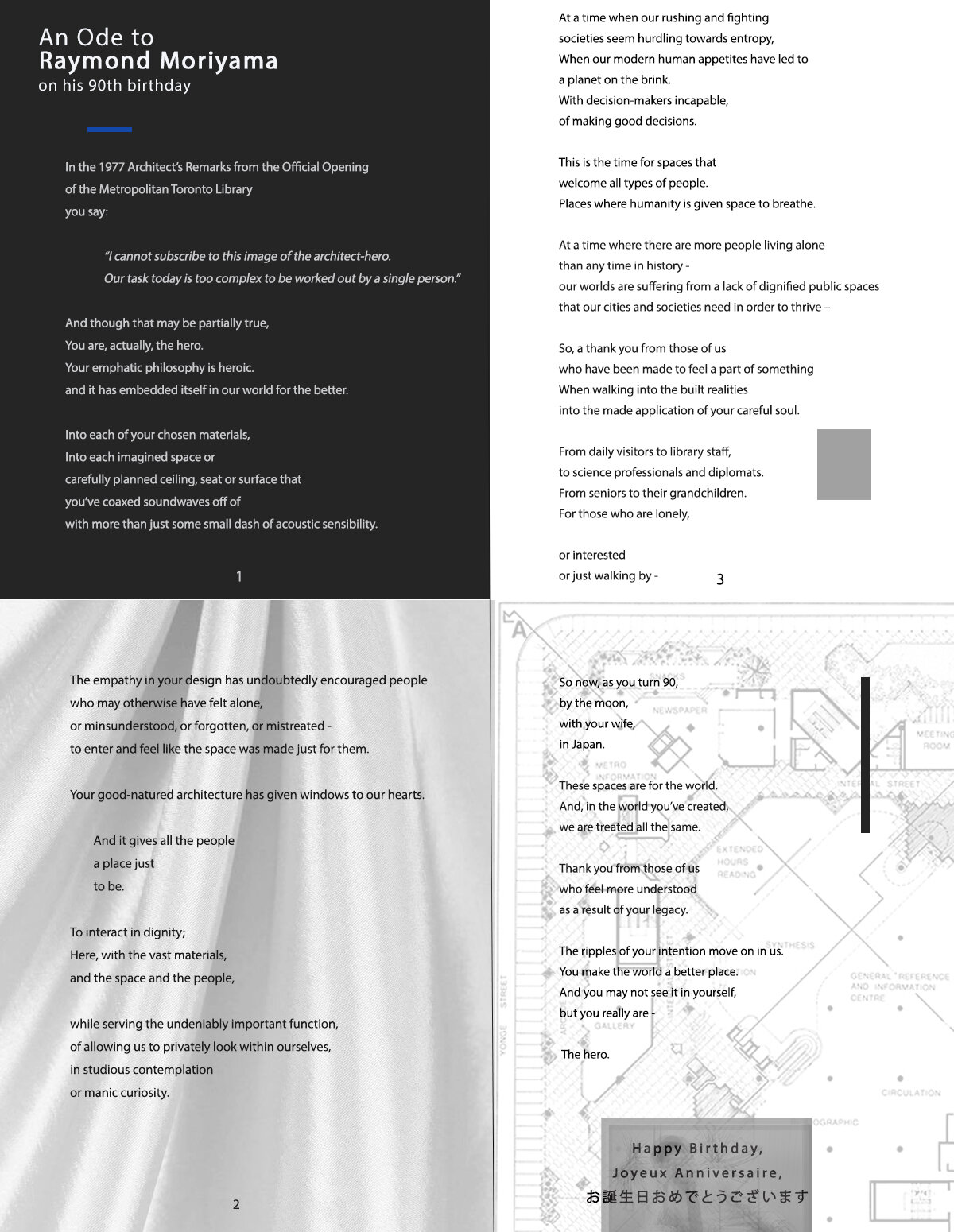
Artist | Moriyama’s Continuum By Lo Fi Dance Theory (2019)
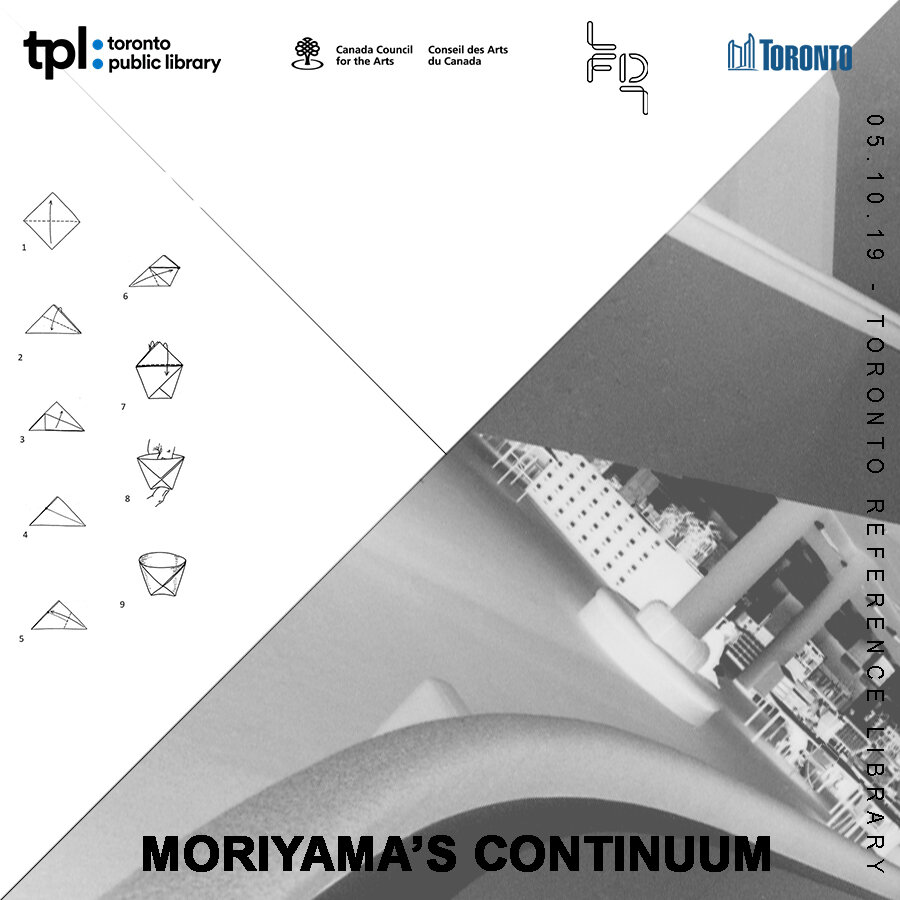
Lo Fi Dance Theory invites you to become part of a collaborative creation in the soaring spaces of Toronto’s largest public library. Architect Raymond Moriyama conceived of the Toronto Reference Library as a gathering place for creativity. In the months leading up to Nuit Blanche, hundreds of people from across Toronto will work with artists at other city libraries to craft components.

On the night of Nuit Blanche, their piece was completed—by participants celebrating Moriyama’s iconic social space and Toronto’s public sphere. With generous support from Canada Council for the Arts, the City of Toronto, Nuit Blanche 2019 and the Toronto Public Library, LFDT received critical acclaim for this October 2019 project.
‘An Ode to Raymond Moriyama on his 90th birthday’ (poem)
origami cup (designer) Nuit BLANCHE Poster (DesignER)
Director & Creator | West Coast Environmental Law - Environmental Dispute Resolution Fund - Celebrating 30 (2019)
This short film celebrates West Coast Environmental Law’s Environmental Dispute Resolution Fund (EDRF) on its 30th anniversary. The EDRF provides grants to British Columbians who have organized to protect their communities and their environment – but who need some legal help. Funds from the EDRF allow Indigenous peoples, community groups and individuals to hire lawyers and experts at reduced rates, and work collaboratively with them to resolve disputes in negotiations, mediation, in court or before government tribunals.’
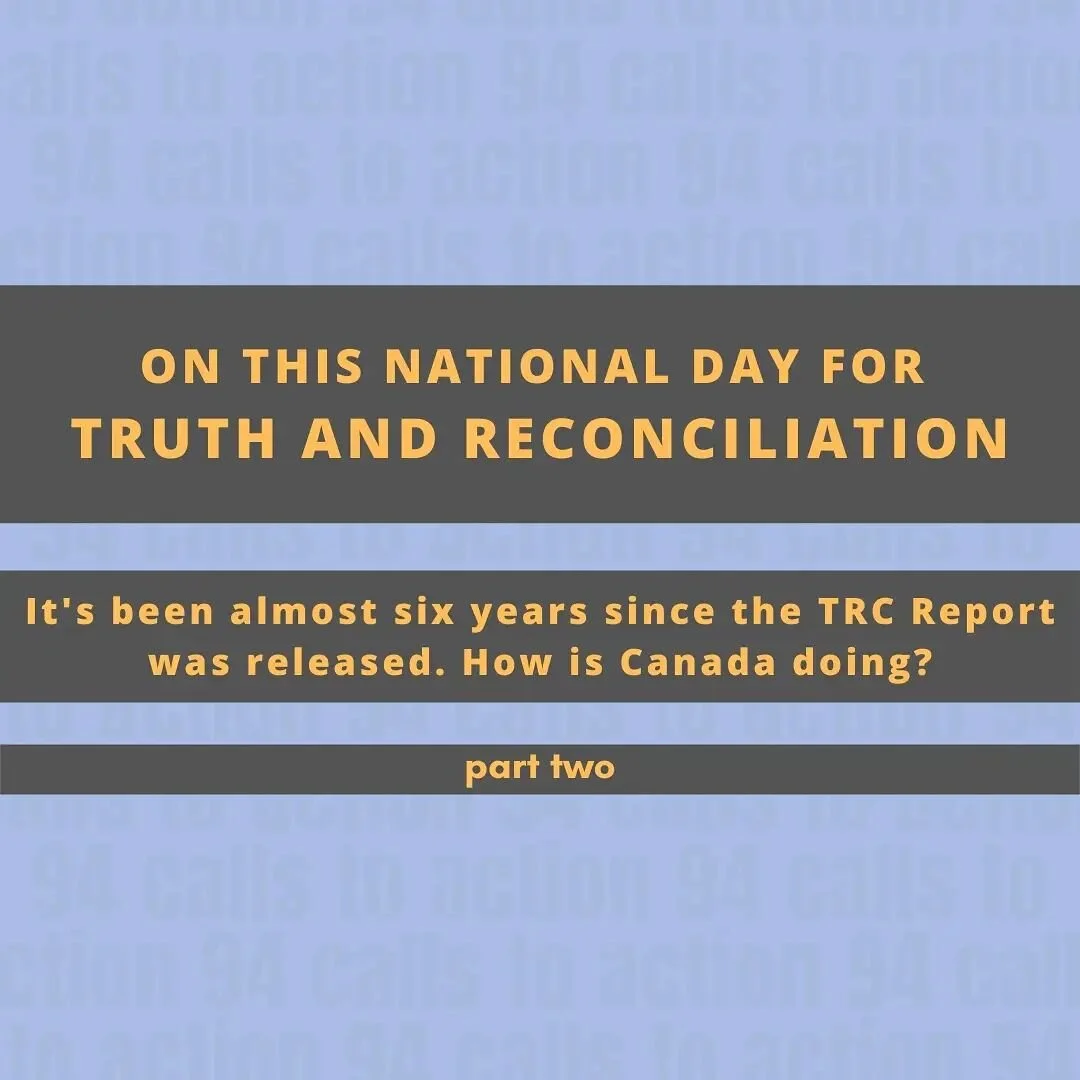
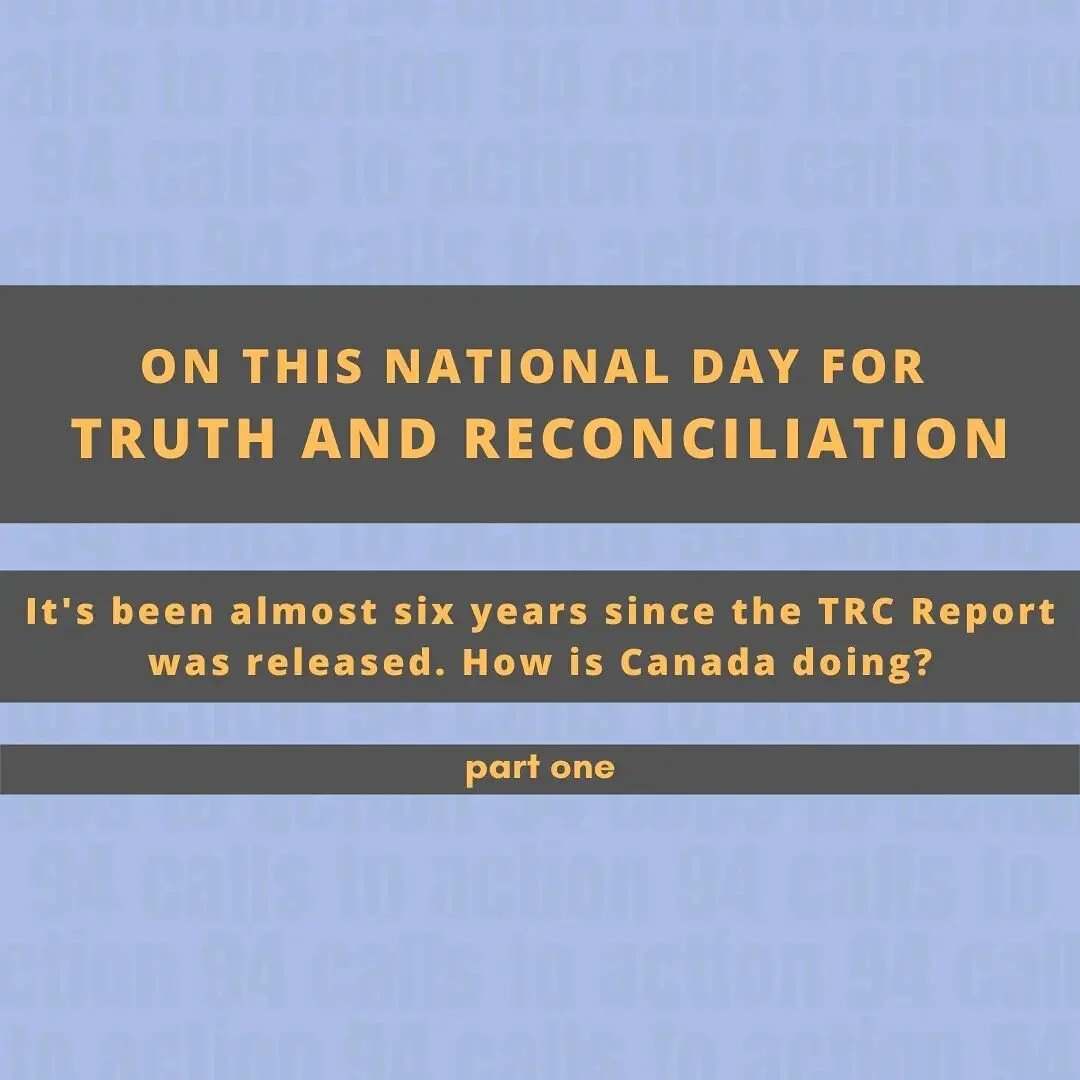
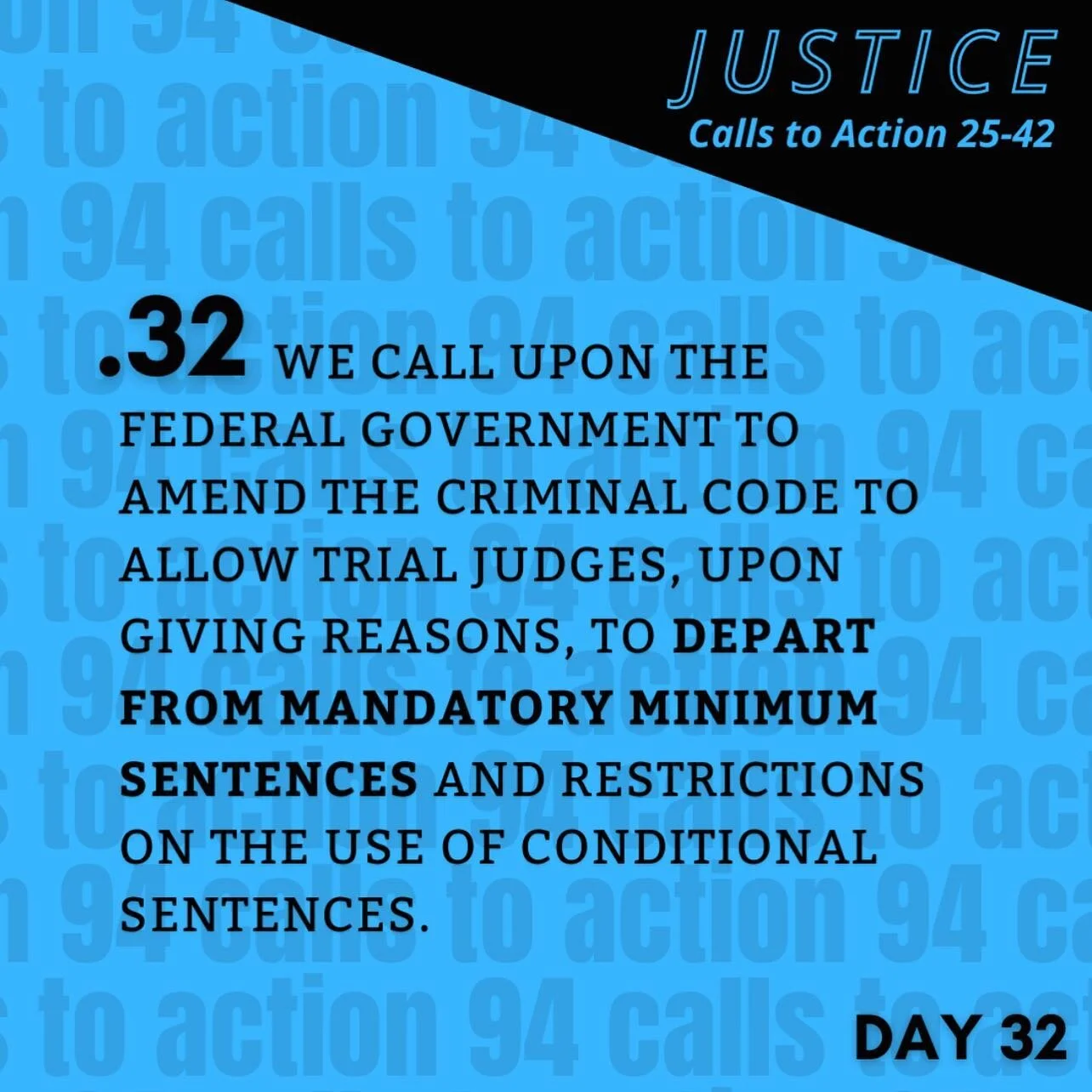
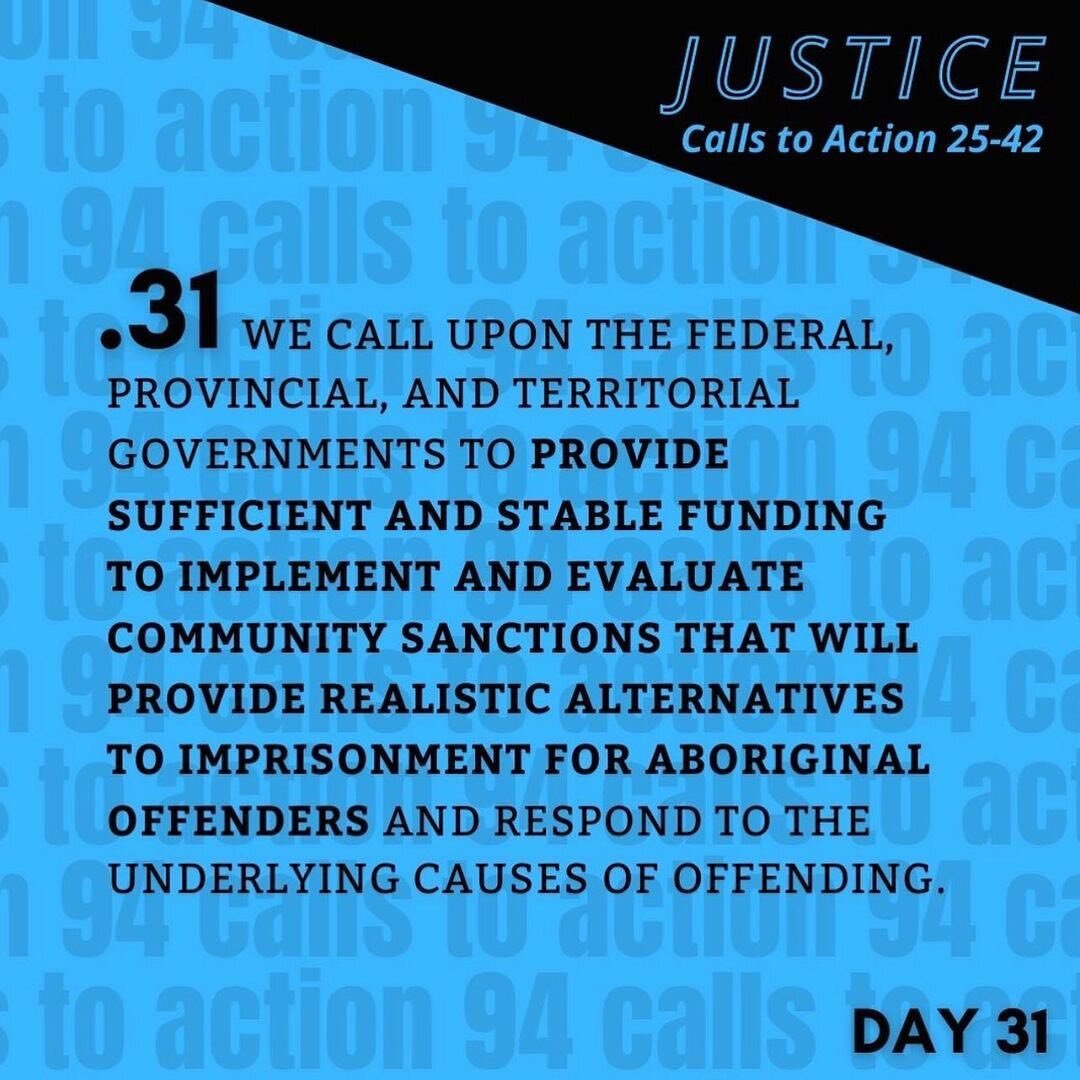
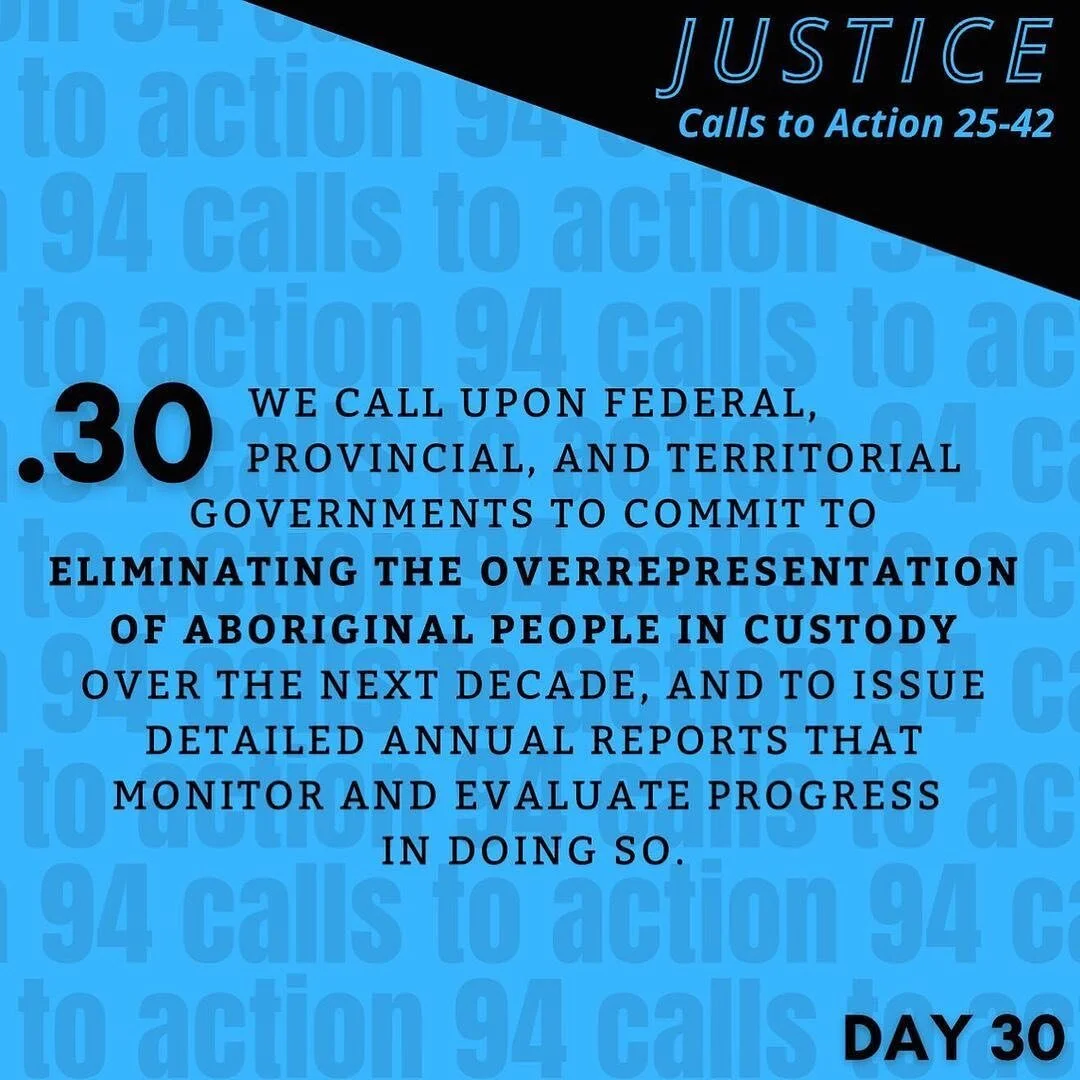
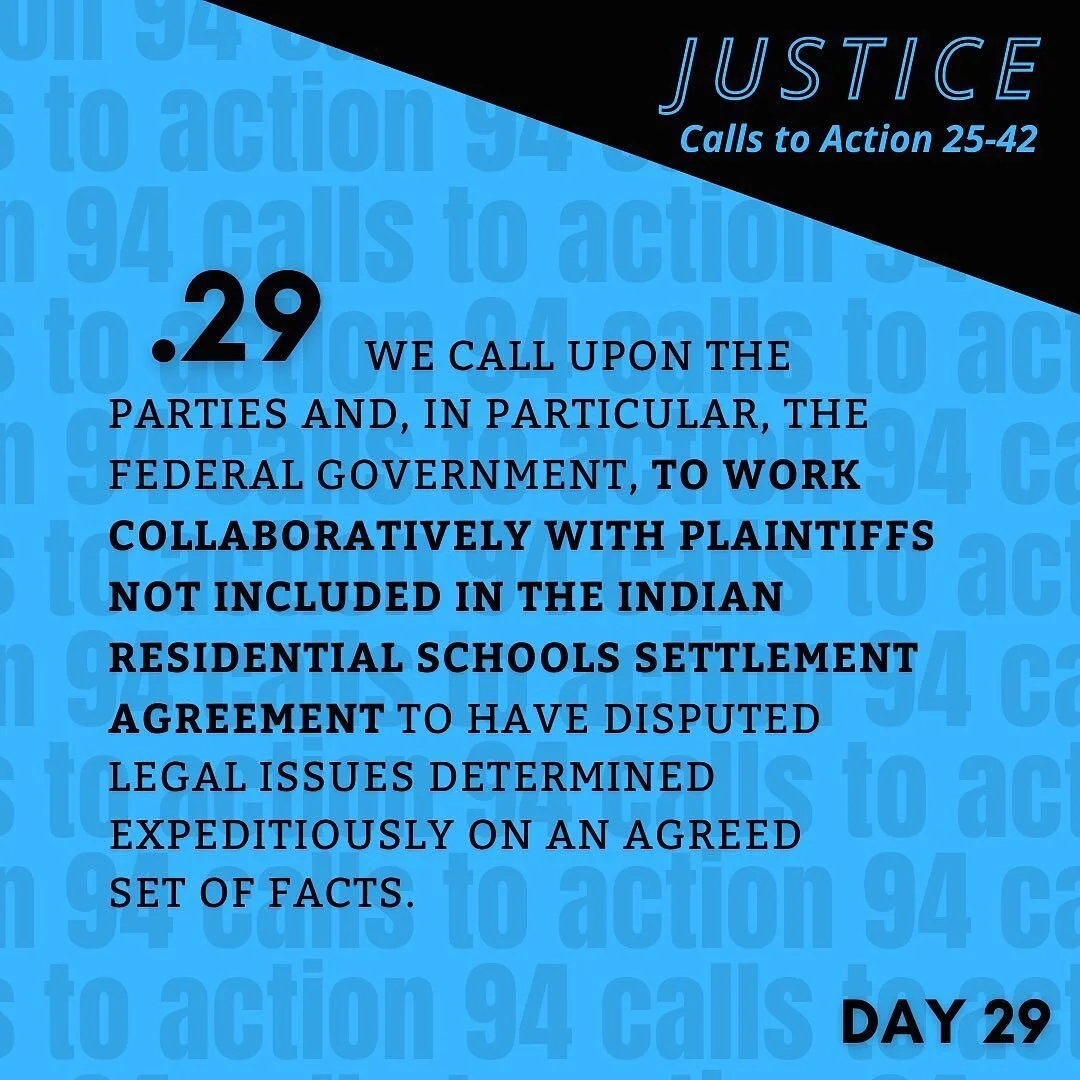
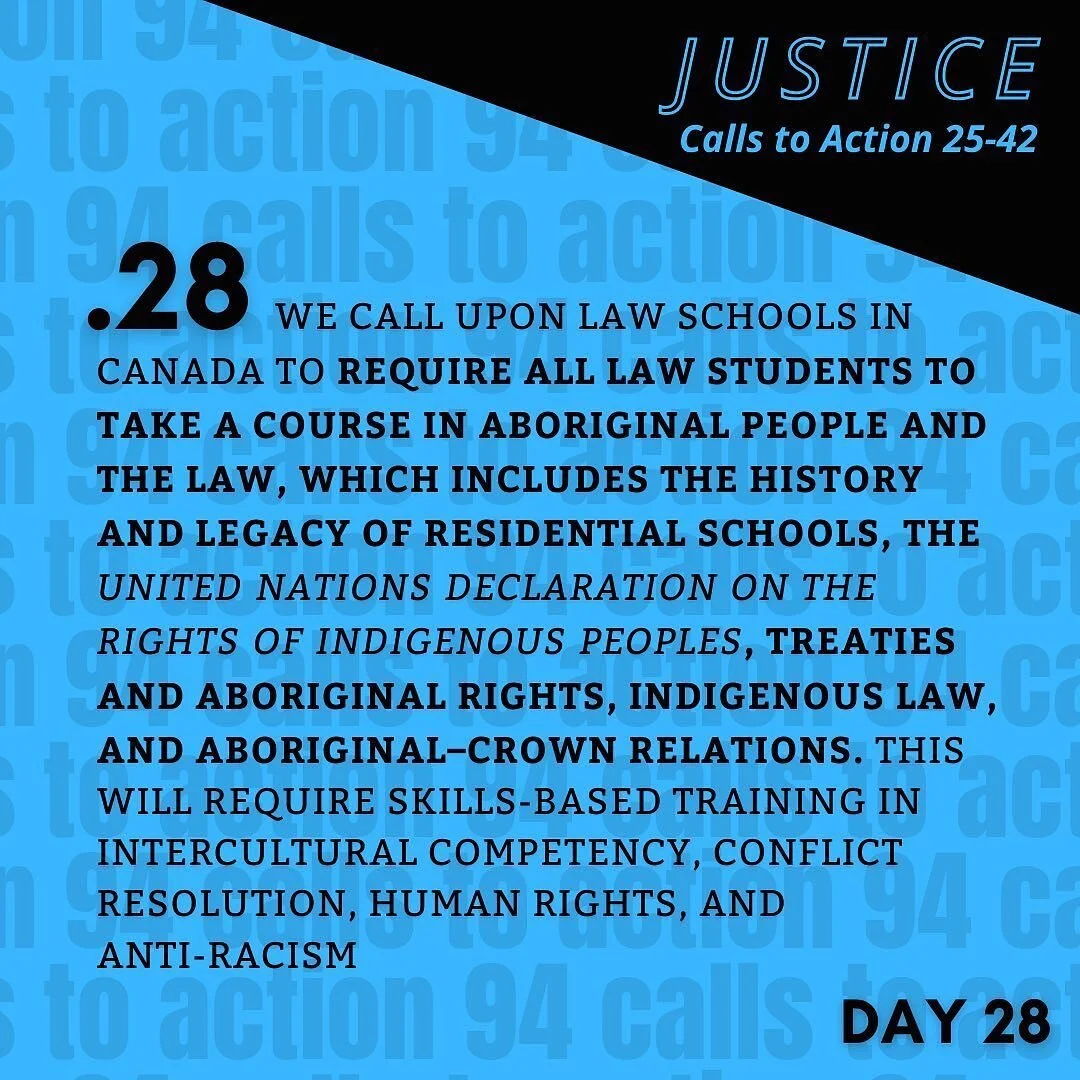
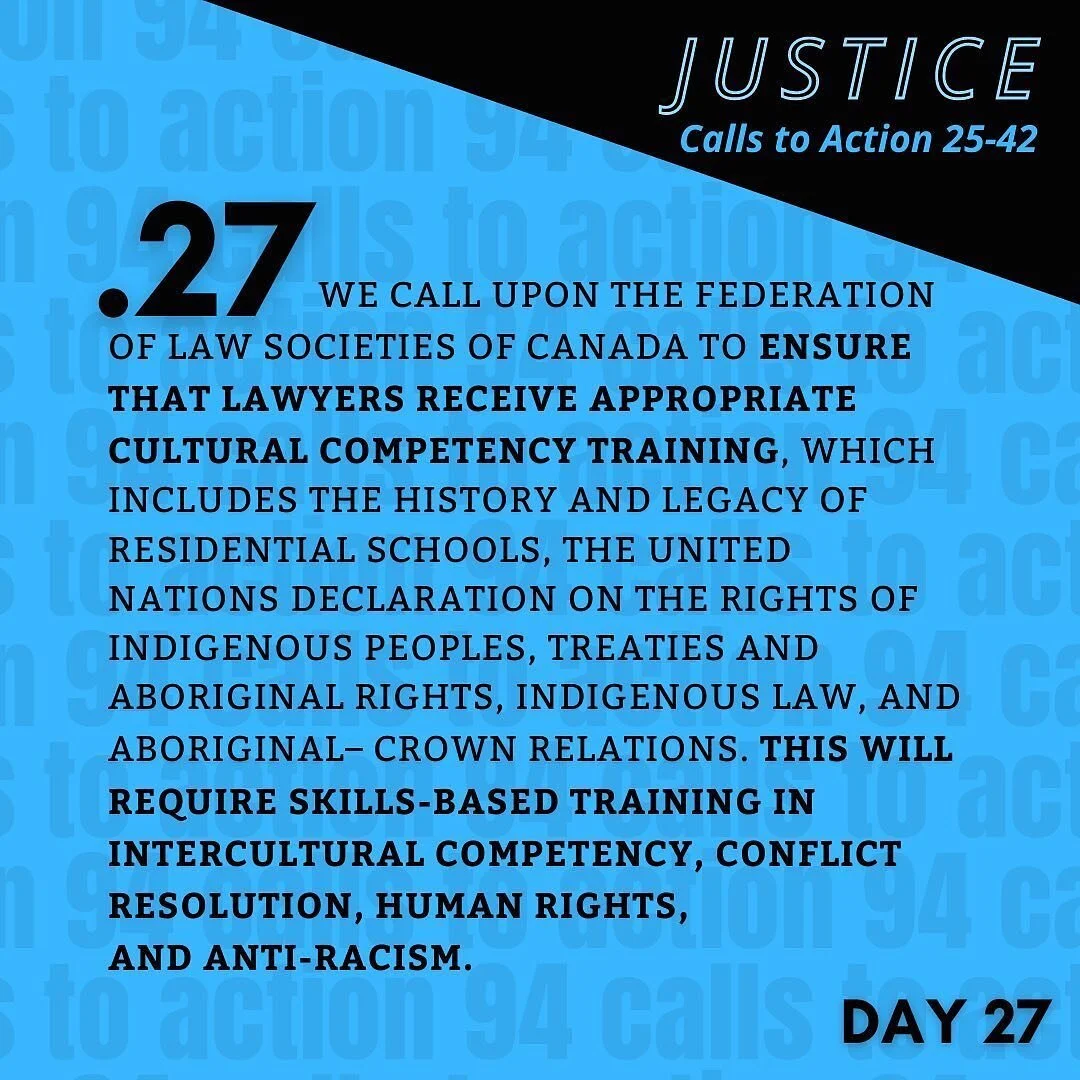
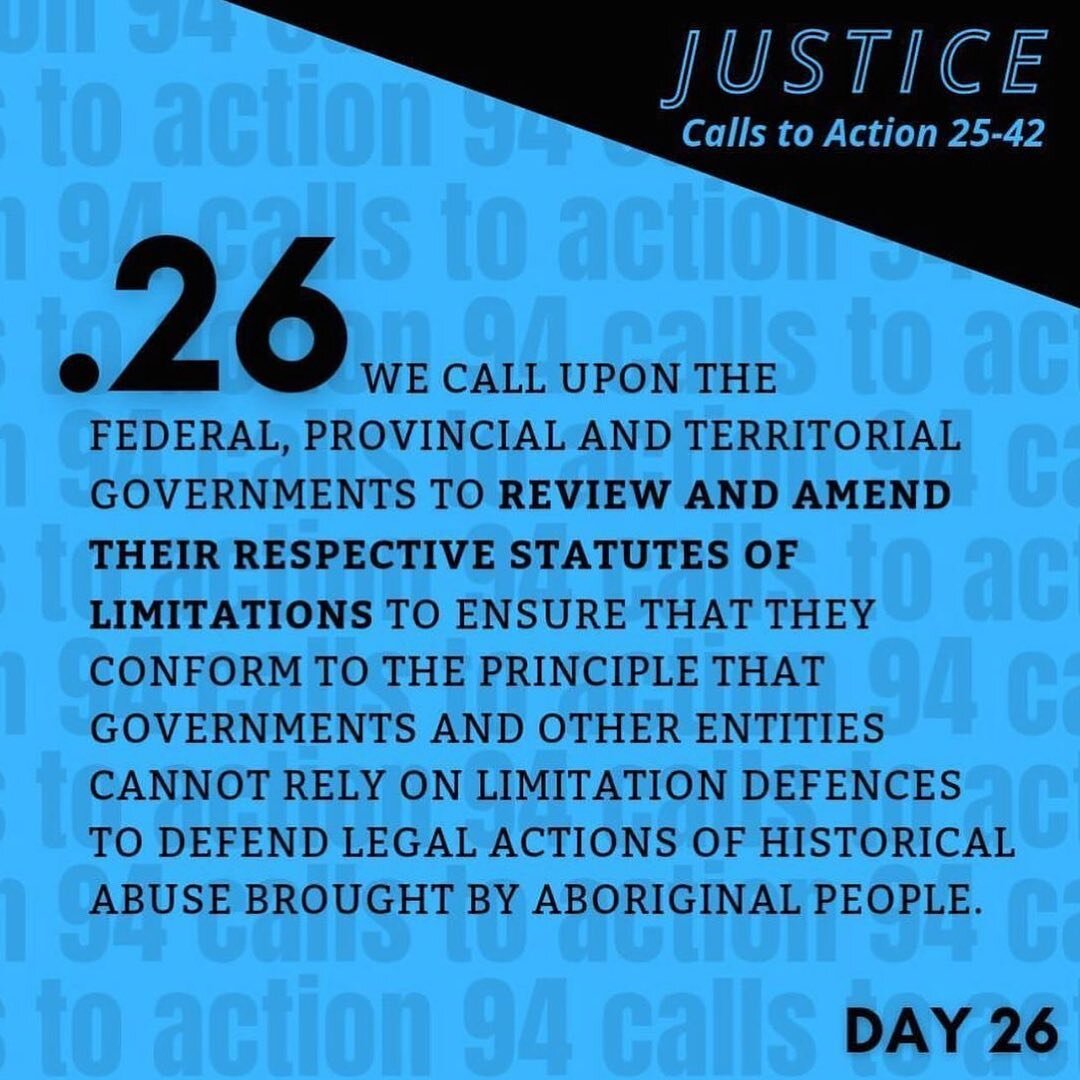
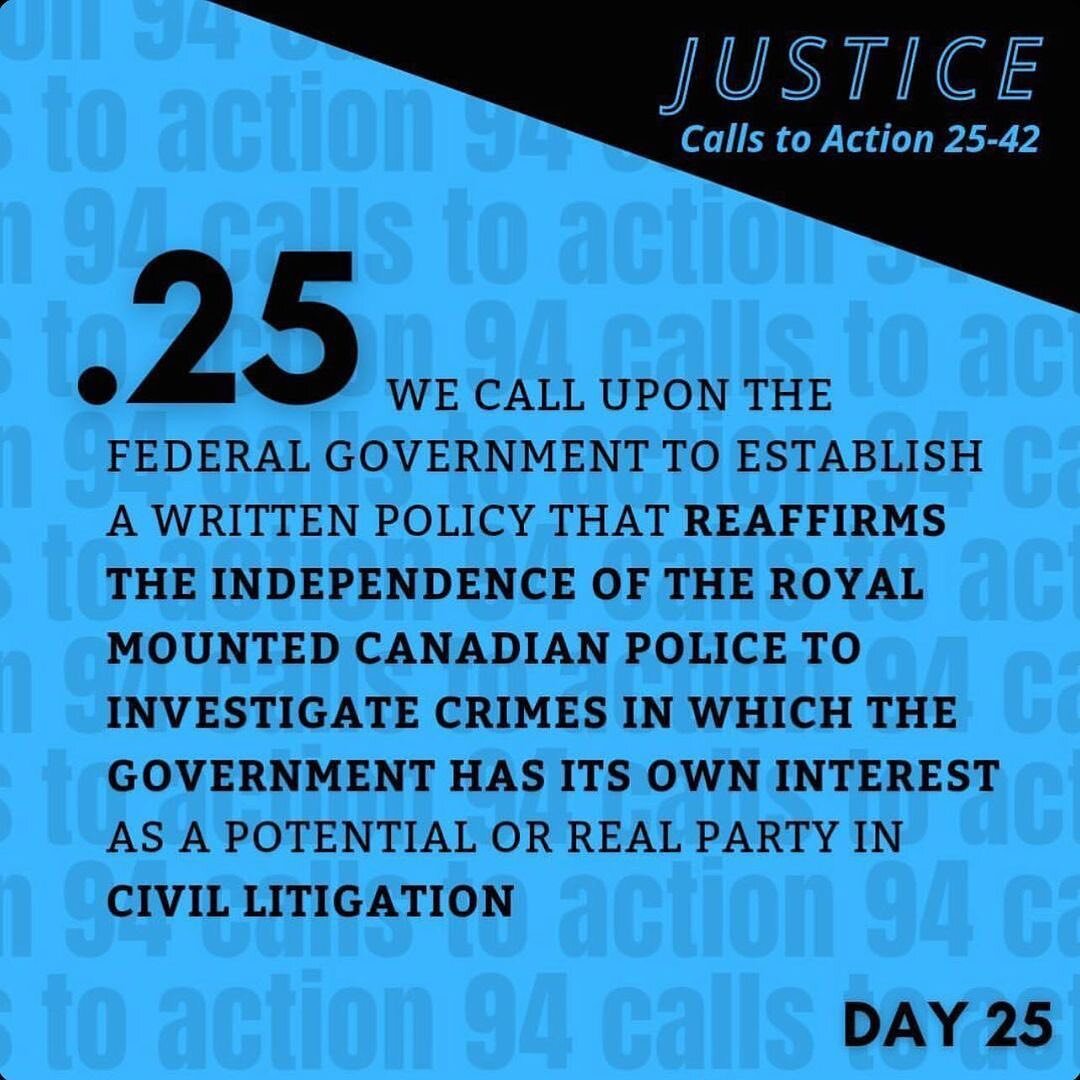
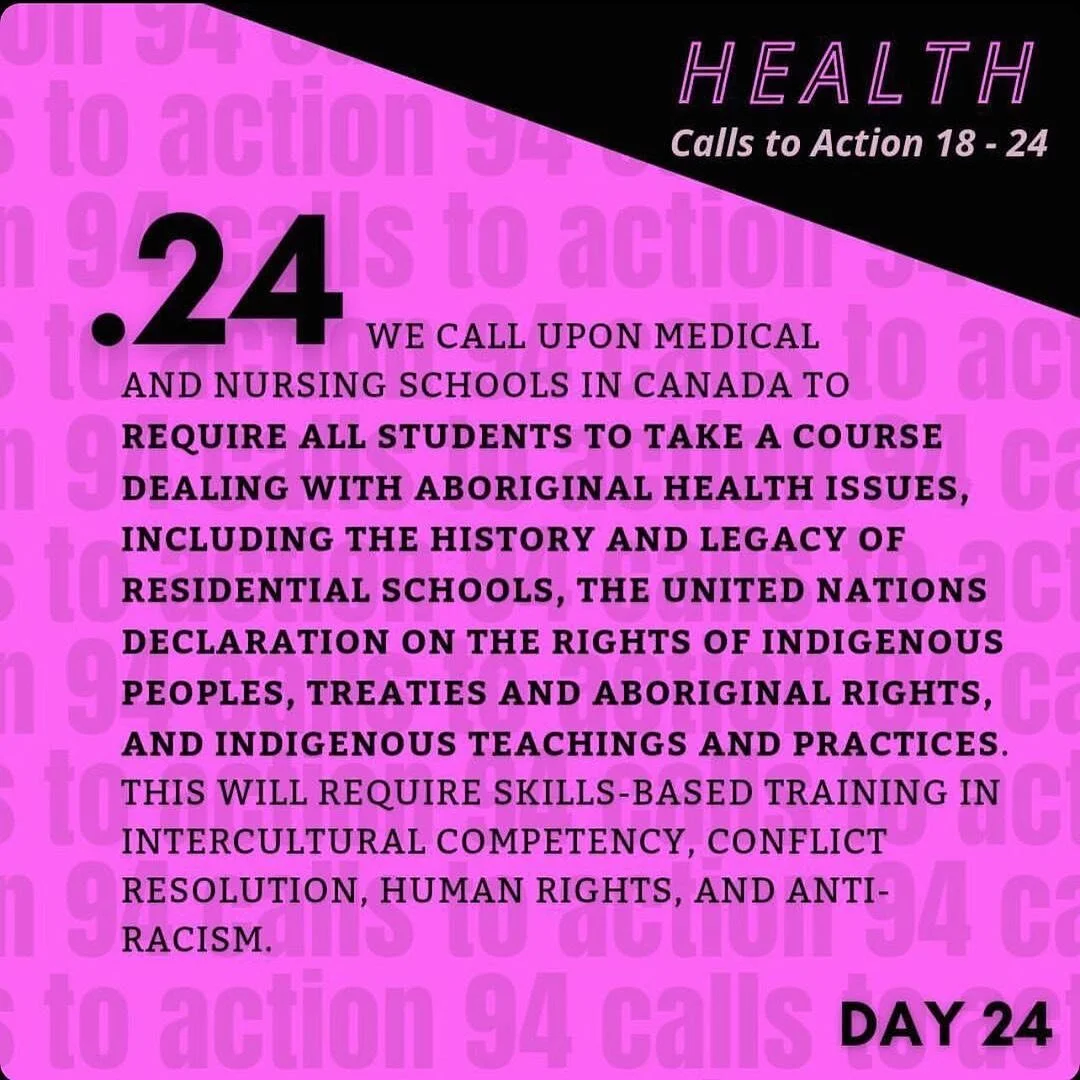
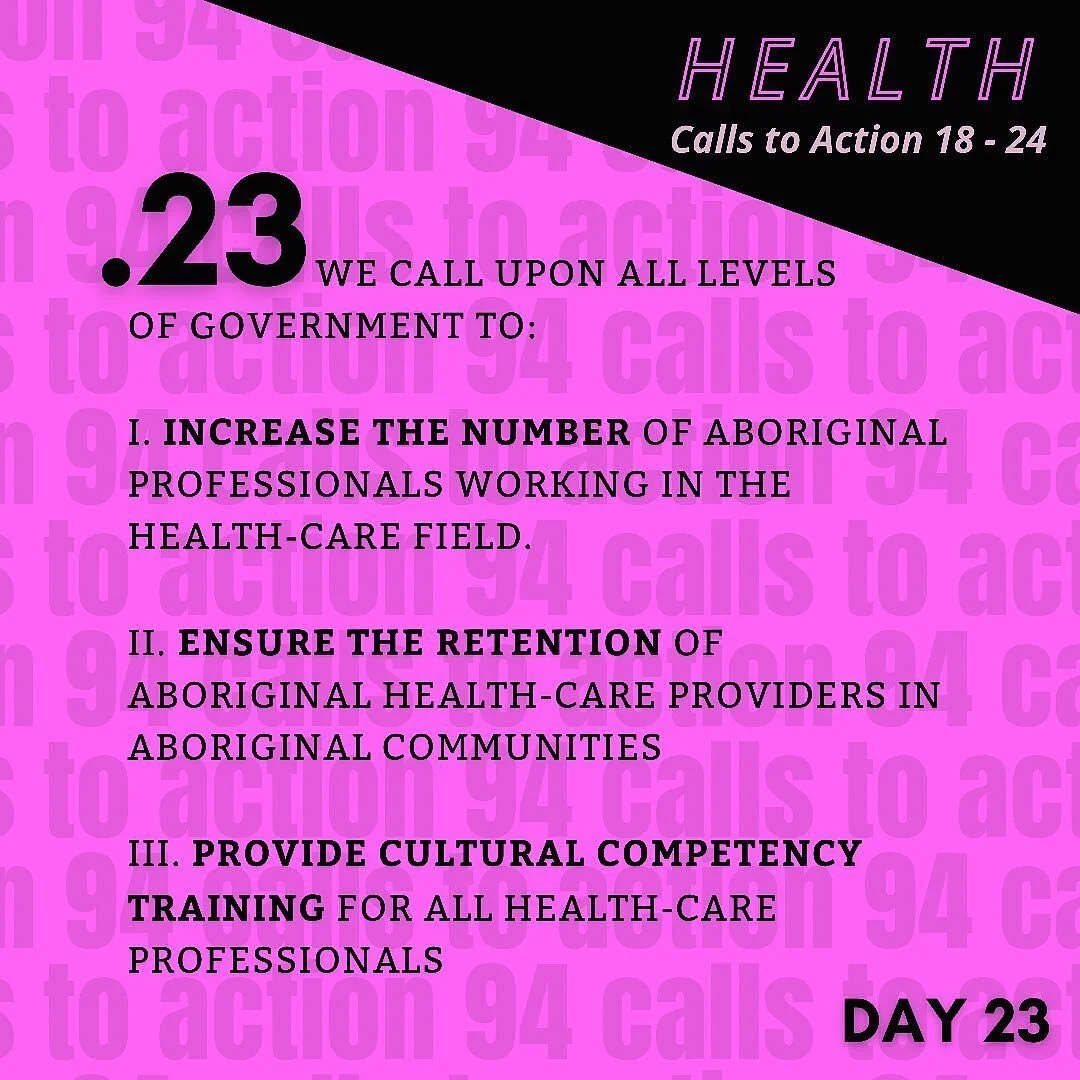
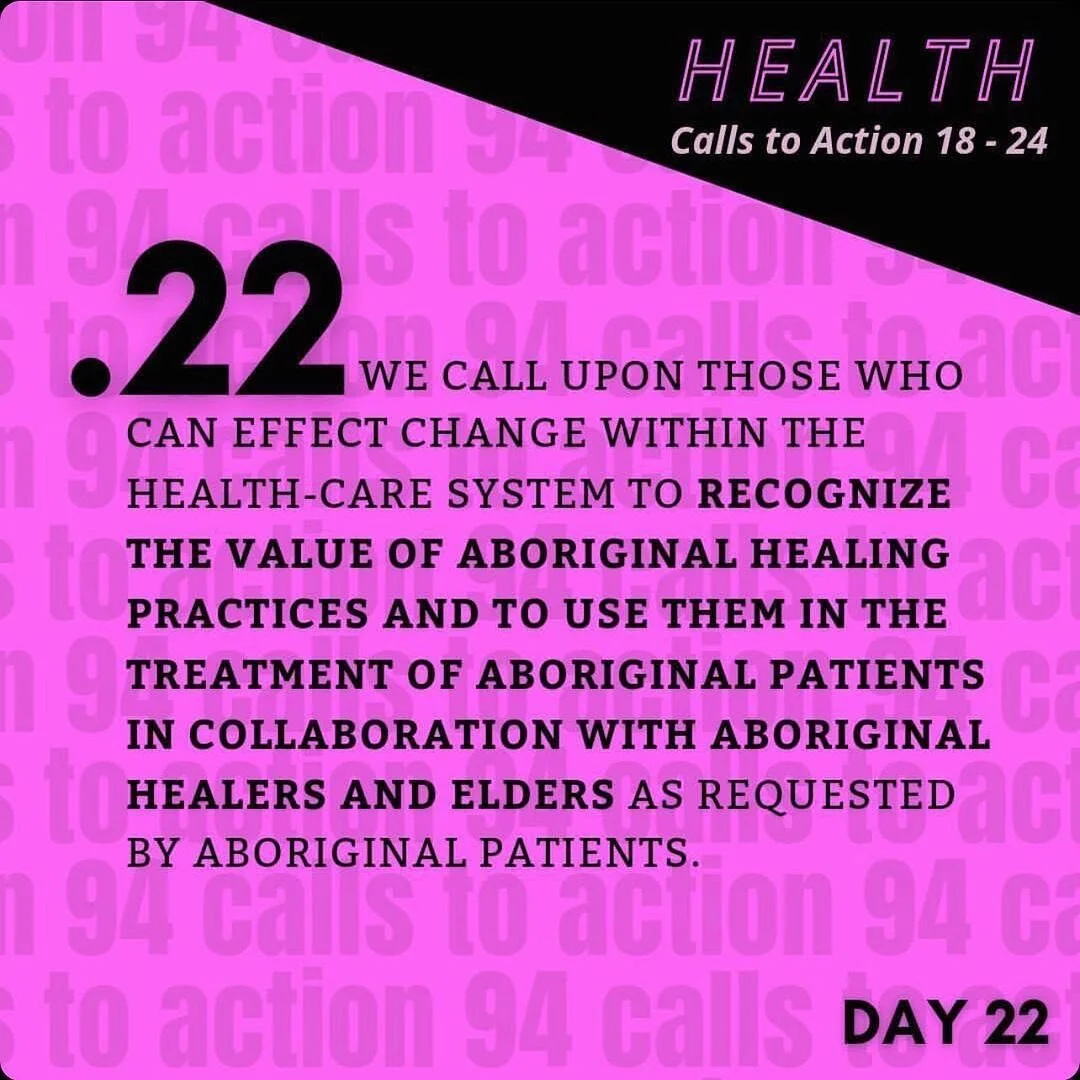
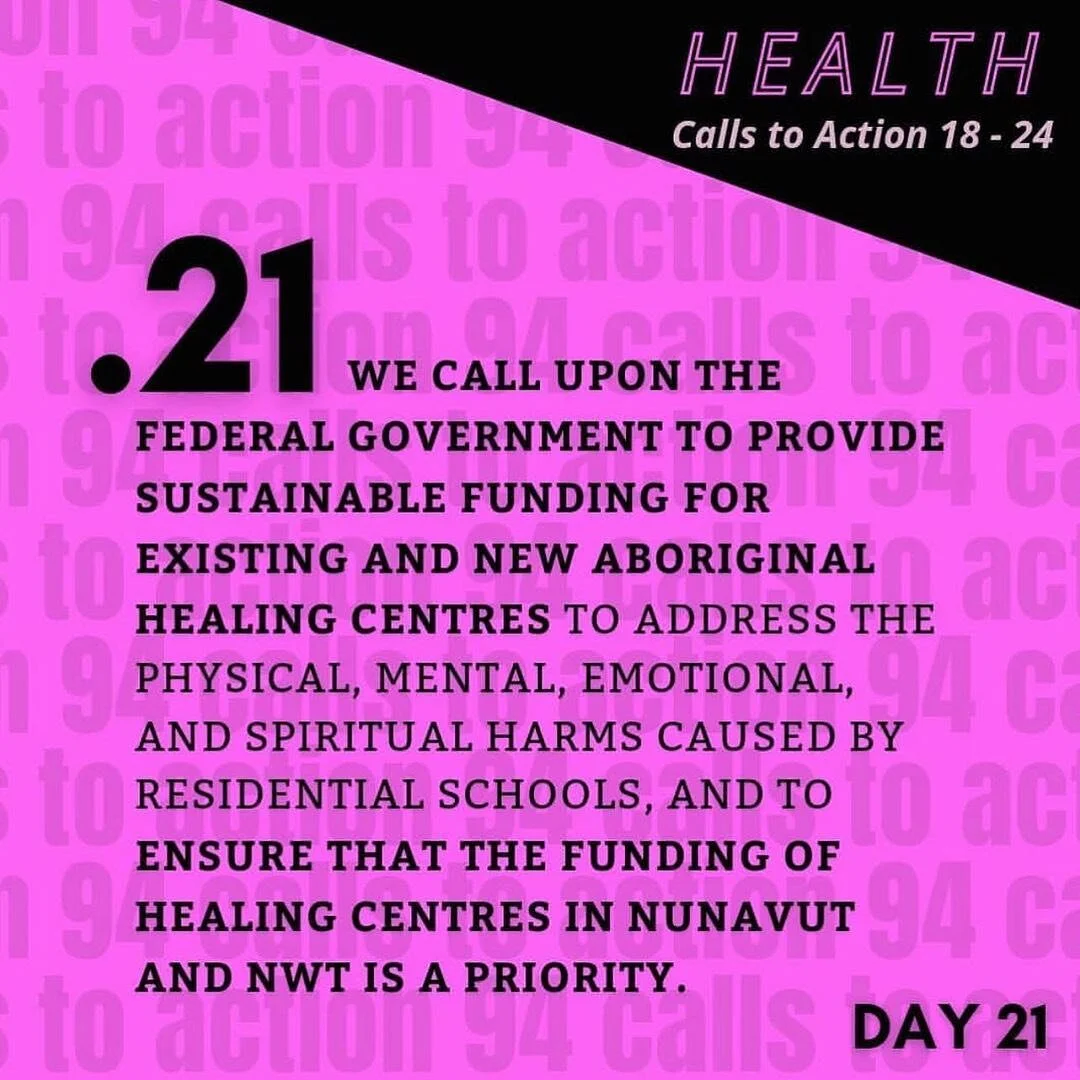
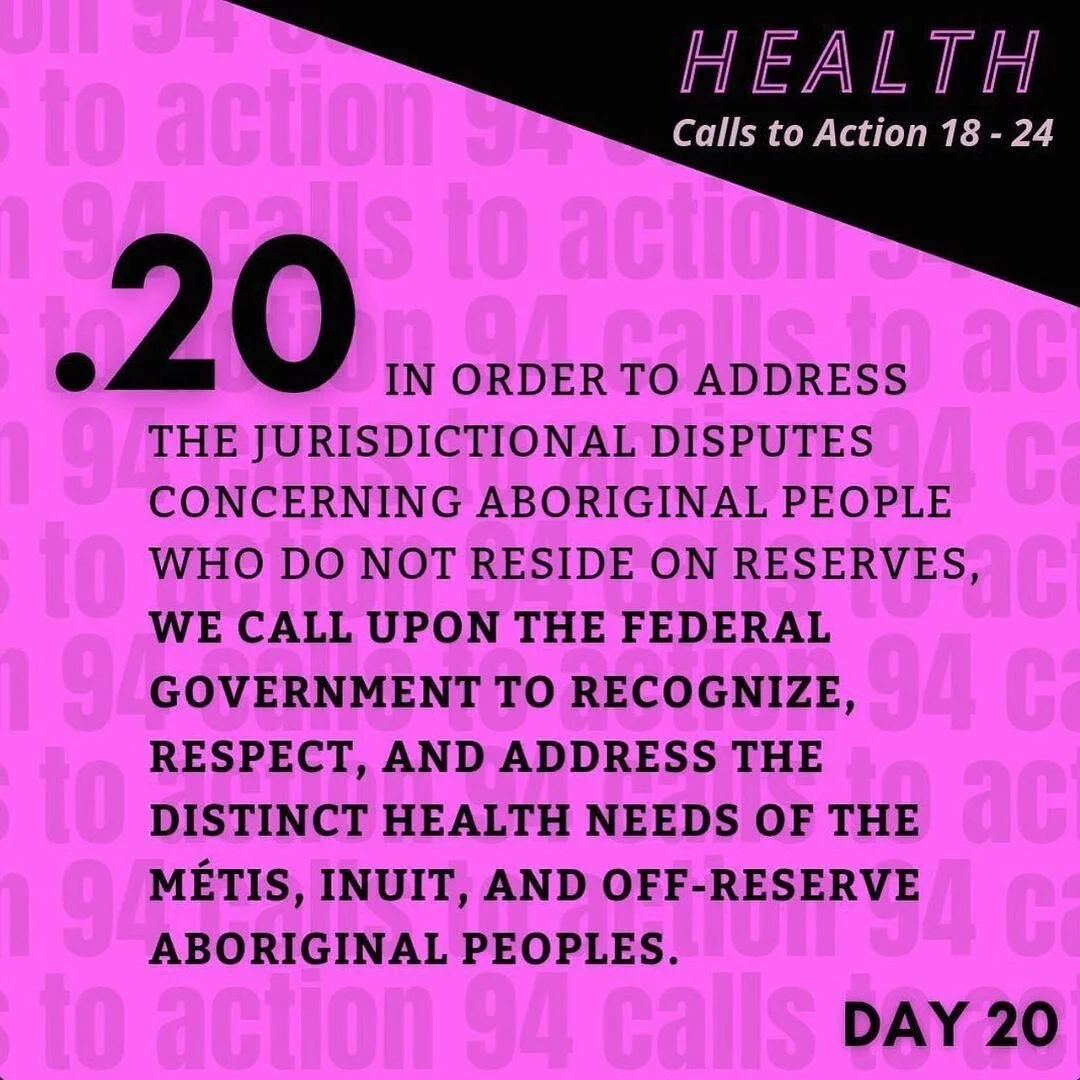
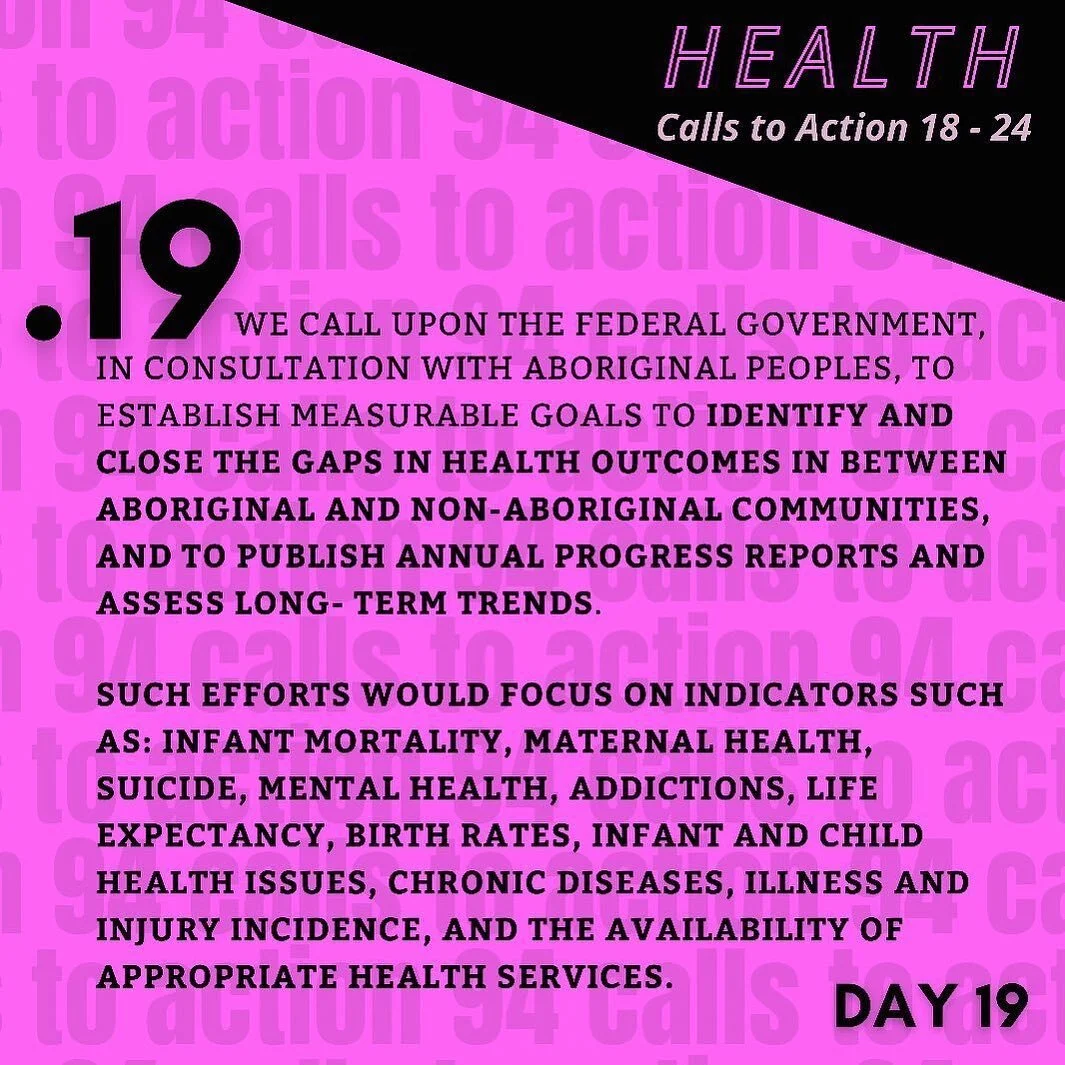
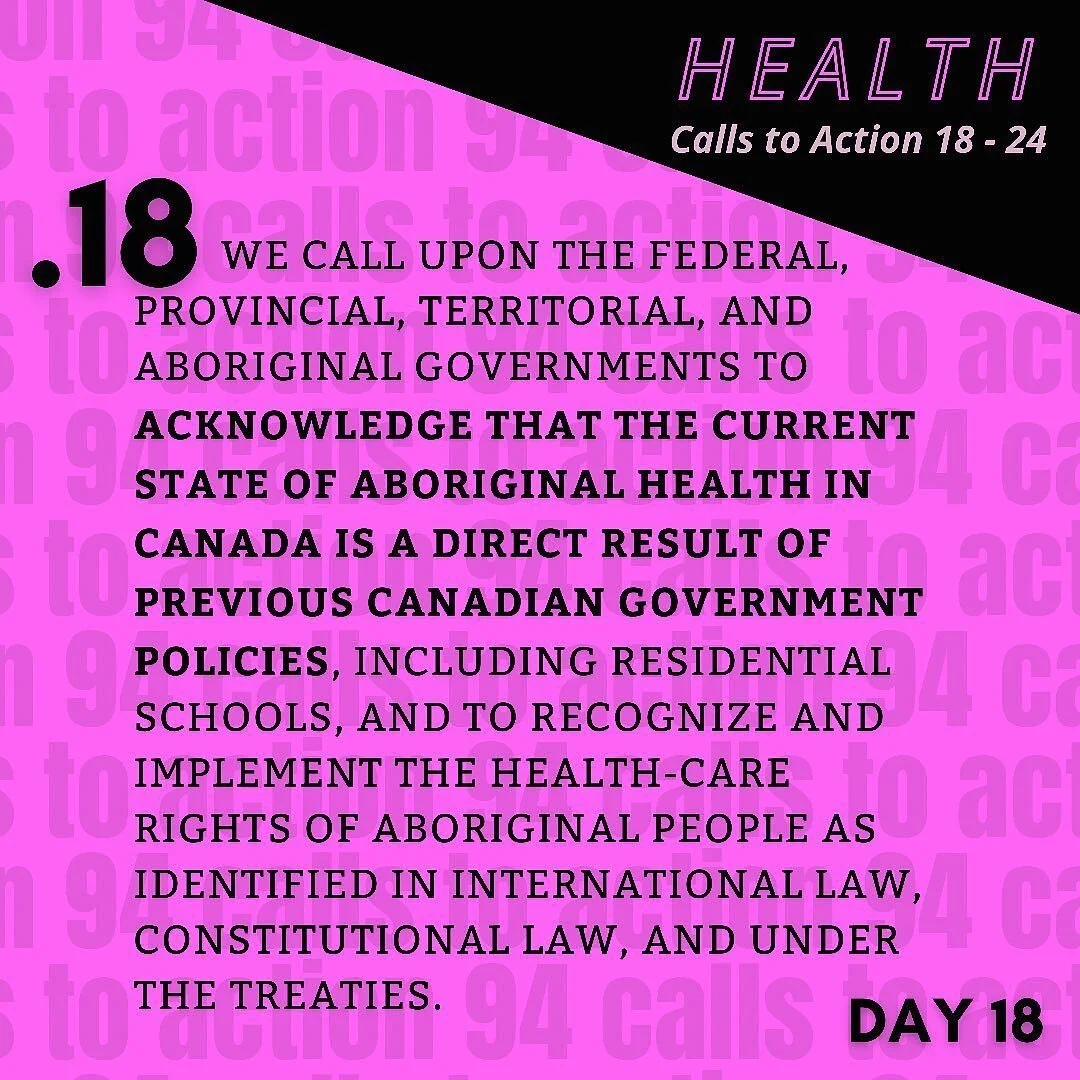
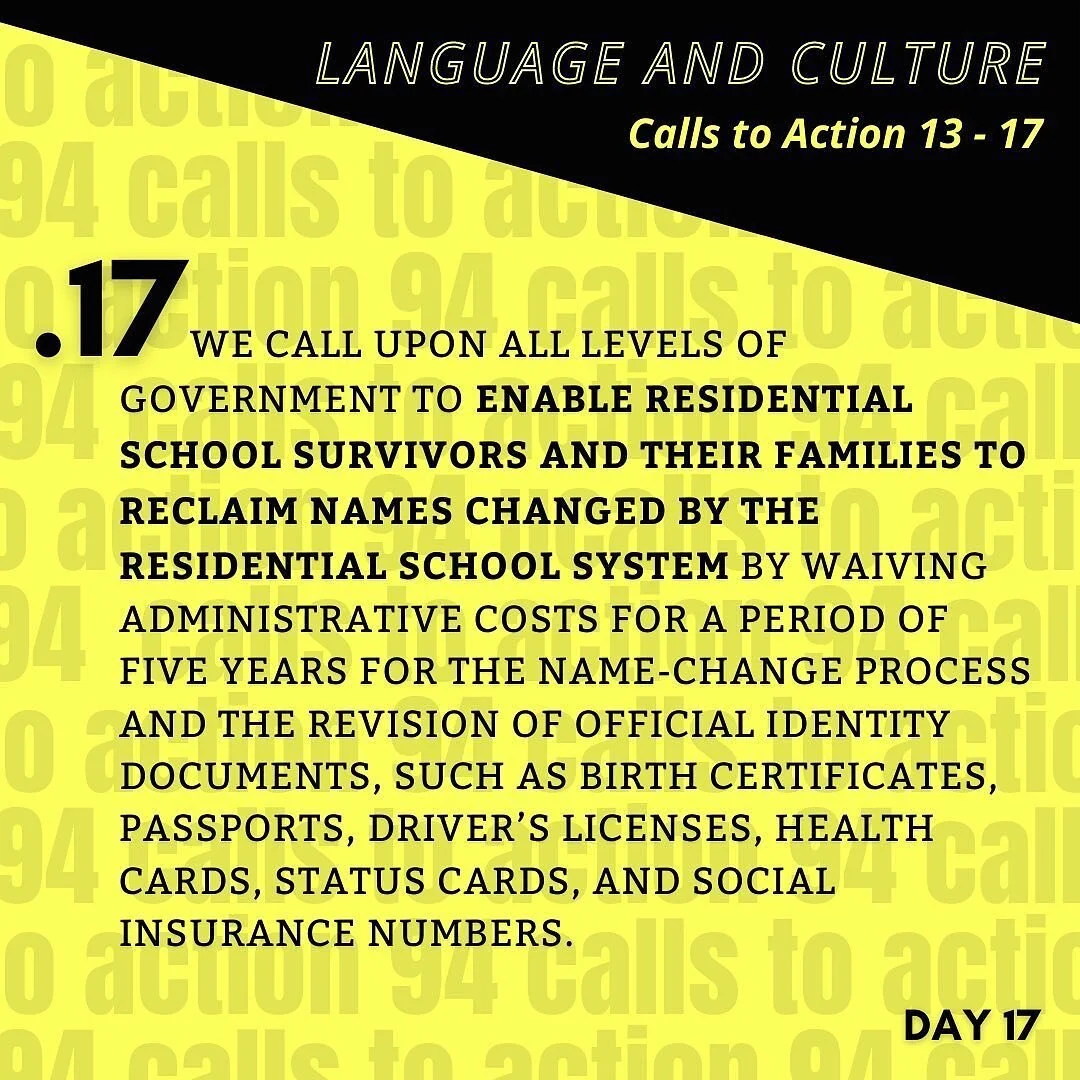
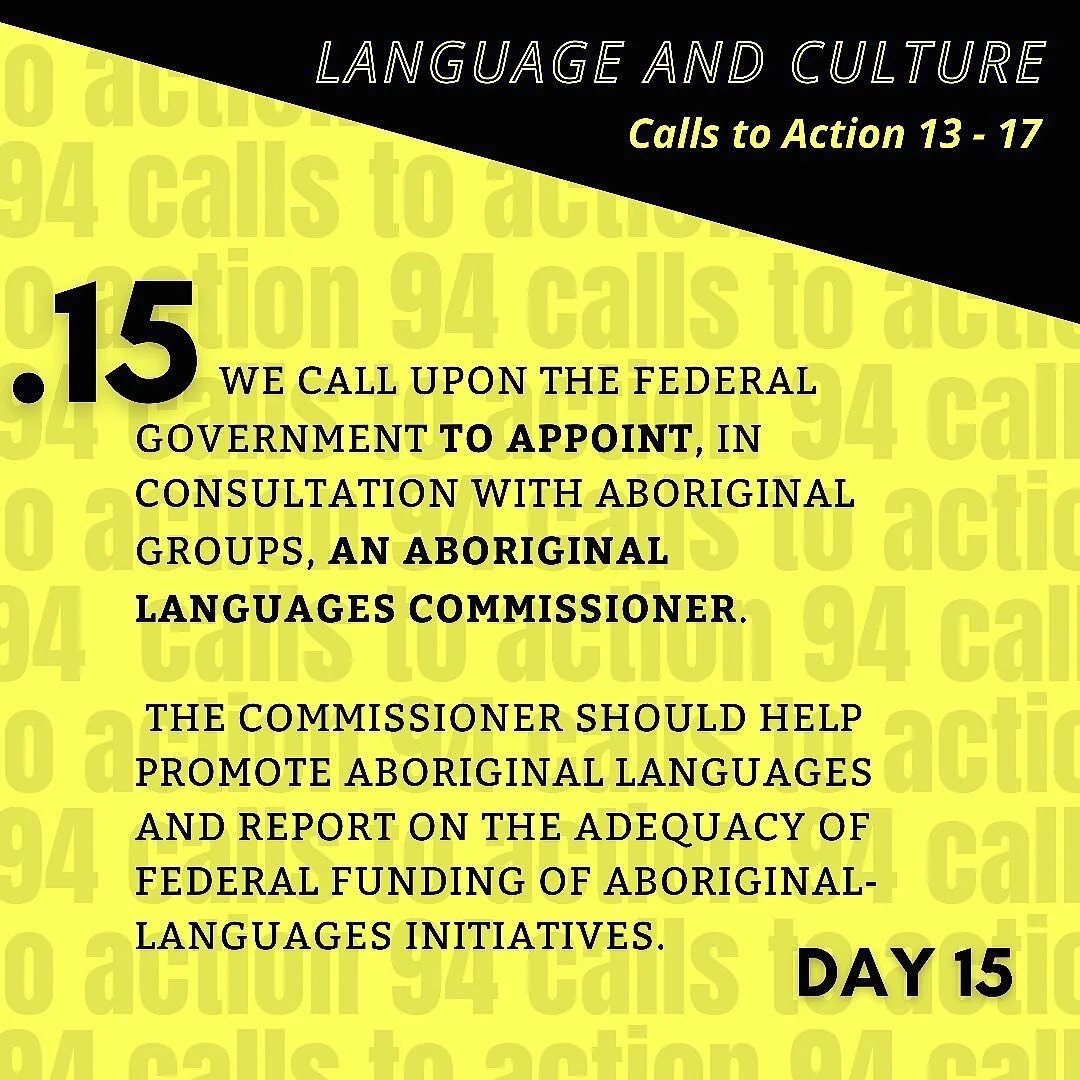
Creator | One at a time: TRC 94 Calls to Action (2022)
For 94 days in 2021, I will be posting each of the Truth and Reconciliation Commissions 94 Calls to Action* for settlers in so-called Canada so that we can read, engage in and learn them together. These were created after the TRC released its Final Report on Canada’s Indian Residential “School” (IRS) system* in order to address the ongoing legacy of trauma the IRS on First Nations, Métis and Inuit families.
They are also essential reading for settler Canadians so that we may improve how we identify and stand up against the violent Canadian laws and federal institutions that threaten the safety of Indigenous people in this colonized place. *You can find both: ‘Honouring the Truth, Reconciling for the Future’ Honouring the Truth, Reconciling for the Future’ (Summary of the Final Report of the TRC) | Truth and Reconciliation Commission of Canada | Calls to Action (Share them widely and however you are able to. These reports are in the public domain so anyone can share them without request for permission)
![Day 16. TRC call to Action 16:
[slide reads black text on bright yellow background with language and culture, Calls to Action 13-17 in corner] #actioncalls94
16. We call upon post-secondary institutions to create university and college degree and](https://images.squarespace-cdn.com/content/v1/54820fede4b0f6707fa71043/1632377107779-K87DIHC7D5S9QX2OW6SH/image-asset.jpeg)
Please support the Indian Residential School Survivor’s Society (IRSSS) via their Donation Page PayPal Canada||Canada Helps - Cheques can be mailed to: Indian Residential School Survivors Society | 413 West Esplanade Street, North Vancouver, BC V7M 1A6

Stay tuned.